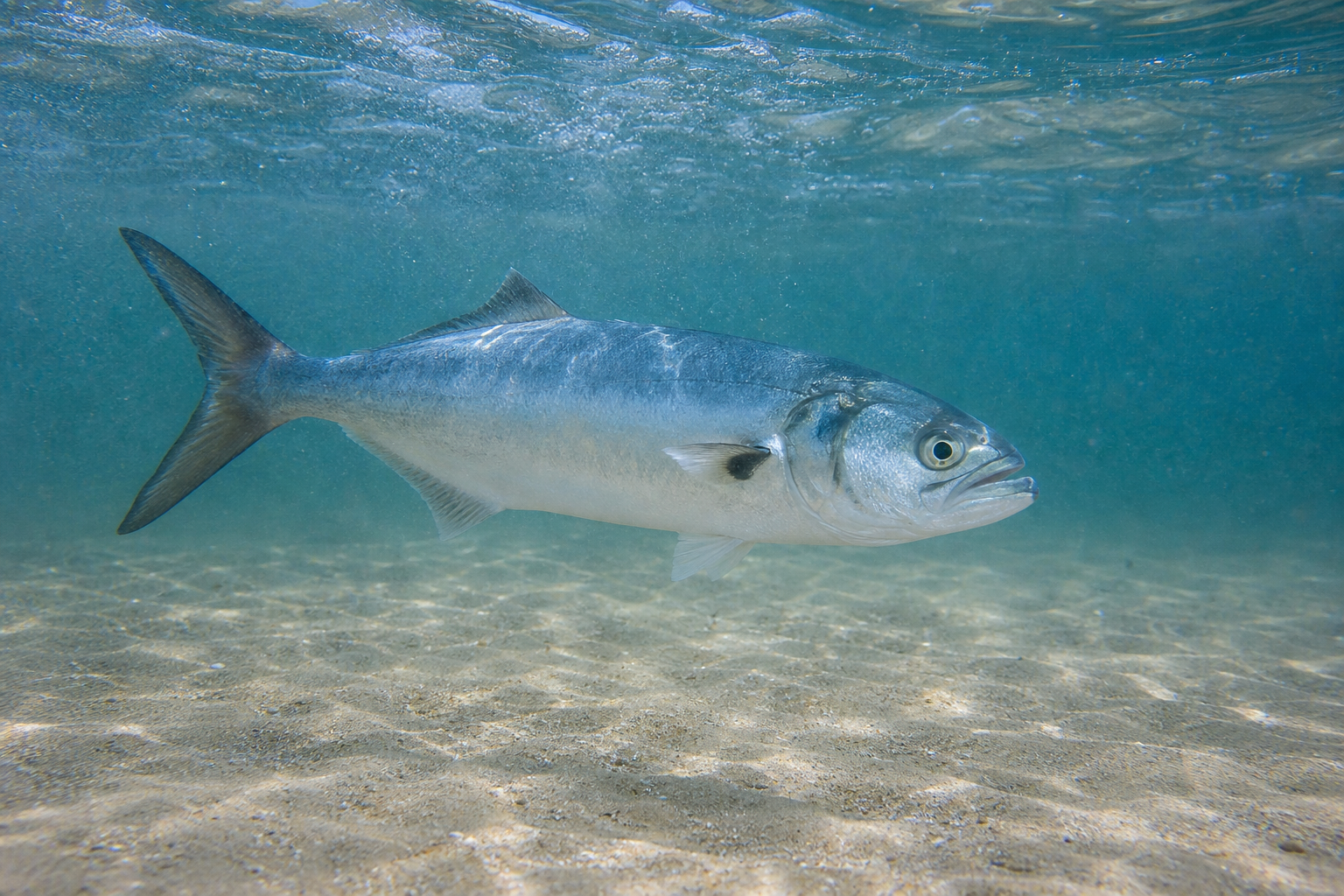
Surf fishing is the most accessible way to fish the Outer Banks. You don’t need a boat, a charter, or a pier — just a rod, some bait, and a stretch of sand. The OBX has over 100 miles of fishable surf, and with the right approach, beginners can catch bluefish, Spanish mackerel, puppy drum, flounder, and sea mullet from the beach. This guide covers everything you need to start.
What You’ll Need
Rod and Reel
For beginners, a medium-heavy surf combo (9–11 foot rod with a spinning reel) is the sweet spot. Here’s why:
- 9–10 feet: Good for lighter baits and lures. Easier to cast for beginners.
- 11 feet: For heavier baits and bigger fish. Better for red drum and bigger species.
- Spinning reel (size 4000–6000): Spinning reels are easier for beginners than conventional reels and handle the saltwater environment well.
You don’t need to spend a fortune. A decent combo from a local OBX tackle shop will run $80–$150 and last for years if you rinse it with fresh water after every trip.
See our gear recommendations for more details.
Terminal Tackle
Here’s the minimum kit for a surf fishing beginner:
- Circle hooks in sizes 1/0 to 4/0 (circle hooks are required for some species and improve survival of released fish)
- Pyramid sinkers in 2, 3, and 4 oz weights
- Bank sinkers in 1–2 oz (for lighter rigs and calmer surf)
- Swivels (barrel and snap)
- Leader material — 30–50 lb monofilament or fluorocarbon
- Fish finder rig (pre-made or tie your own)
Bait
The best bait depends on what you’re targeting, but a beginner’s kit should include:
- Fresh shrimp — catches almost anything
- Bloodworms — great for sea mullet, puppy drum, and panfish
- Cut mullet — for bluefish and red drum
- Squid strips — for flounder and general bottom fishing
- Sand fleas (mole crabs) — if you can find them in the wash, they’re excellent for pompano and sea mullet
You can buy bait at any OBX tackle shop. Fresh is always better than frozen.
Reading the Surf
The most important skill in surf fishing is reading the water. Fish don’t distribute evenly — they hold in specific features. Here’s what to look for:
Sloughs and Troughs
A slough is a deeper channel that runs parallel to the beach between the sandbar and the shore. Fish hold in sloughs because they provide depth, cover, and a feeding lane. Look for darker water — the deeper sections appear darker from the beach.
Sandbars
Sandbars are the lighter-colored, shallower areas. Fish sit behind sandbars waiting for bait to wash over. The cut (or break) in a sandbar where water flows between the bar and the shore is a prime feeding spot.
Foam Lines and Wash
The white water where waves break is the wash zone. This is where bait gets disoriented and vulnerable. Fish actively feed in the wash, especially on an incoming tide.
Points and Cuts
Any irregularity in the beach — a point that sticks out, a cut where a slough meets the shore — concentrates fish. These are the spots to target.
Water Color
Clean green water is ideal. Muddy water after a storm can be tough, but fish will still bite if you use scent-based baits (shrimp, bloodworms). Crystal-clear water can make fish spooky — fish at dawn or dusk in those conditions.
Rig Setup
For beginners, two rigs cover most situations:
Fish Finder Rig (Bottom Fishing)
The most versatile surf rig. Here’s how to tie it:
- Slide a pyramid sinker onto your main line
- Tie on a barrel swivel
- Attach 18–24 inches of 30–40 lb leader to the other end of the swivel
- Tie a circle hook (size 1/0 to 4/0) to the leader
- Bait with cut mullet, shrimp, or bloodworms
This rig lets the bait sit on the bottom and move naturally with the current. It’s great for puppy drum, sea mullet, and bluefish.
Fireball Rig (For Bluefish)
A simple two-hook rig with floats that keep the bait off the bottom. Great for bluefish and Spanish mackerel. You can buy pre-made fireball rigs at any tackle shop.
See our bottom fishing technique guide for more rig details.
Bait Selection by Species
Different fish prefer different baits:
| Species | Best Bait |
|---|---|
| Puppy drum | Cut mullet, fresh shrimp, crab |
| Bluefish | Cut mullet, Gotcha plugs, spoons |
| Sea mullet | Bloodworms, fresh shrimp, sand fleas |
| Flounder | Mud minnows, squid strips, live shrimp |
| Spanish mackerel | Gotcha plugs, spoons, cut bait |
Best Spots for Beginners
You don’t need to drive on the beach to catch fish. Here are walk-in spots that are beginner-friendly:
Jennette’s Pier Area (Nags Head)
The beach around Jennette’s Pier has good sloughs and easy parking. It’s also a good spot to try pier fishing if the surf isn’t producing.
Nags Head Beach Access
Multiple public access points with bathrooms and parking. The surf here has good structure and produces bluefish, sea mullet, and puppy drum.
Oregon Inlet (South Side)
The inlet area produces puppy drum, bluefish, and flounder. Park at the Oregon Inlet Fishing Center and walk the south beach.
Hatteras Inlet (Ramp 55 Area)
If you have a 4WD vehicle (see our beach driving guide), the beach near Hatteras Inlet is excellent. For walk-in access, the area around Ramp 55 has good structure.
Avon Beach
The beach in front of Avon has good sloughs and is accessible without a 4WD. Produces puppy drum, bluefish, and sea mullet.
Timing Your Trip
Tide
The best surf fishing is usually on a rising tide — as water pushes in, it brings bait and fish closer to shore. The two hours before and after high tide are typically the most productive.
That said, sloughs and cuts can produce on any tide. The key is knowing where the structure is. Check our conditions page for tide charts.
Time of Day
Dawn and dusk are prime times for surf fishing. Fish are more active, light is lower, and there are fewer people on the beach. Midday fishing can work in overcast conditions or when the water is churned up.
Season
Spring (April–May) and fall (September–October) are the best seasons for surf fishing the OBX. See our month-by-month guide for the full breakdown.
Casting Technique
For beginners, here are the basics of a good surf cast:
- Stand sideways to the water, with your dominant hand back.
- Hold the rod at 45 degrees to the water.
- Let out about 6–8 inches of line from the rod tip.
- Bring the rod back behind your head in a smooth arc.
- Cast forward in one motion, releasing the line at about 45 degrees.
- Let the sinker settle before tightening the line.
Don’t try to cast as far as possible — accuracy and bait presentation matter more than distance. A 30–40 yard cast is plenty for most surf fishing.
Safety Tips
- Watch the waves. Sneaker waves can knock you over and sweep away gear.
- Never turn your back on the ocean.
- Wear a life jacket if fishing near inlets or in heavy surf.
- Be aware of rip currents. If you wade out and feel a strong pull, don’t fight it — move parallel to the shore.
- Use sunscreen and drink water. The OBX sun is intense, even on overcast days.
- Rinse your gear with fresh water after every trip. Saltwater destroys reels fast.
Regulations
Before you fish, make sure you have a NC Coastal Recreational Fishing License (CRFL). See our regulations guide and licenses page for details. Know the size and bag limits for your target species — a measuring device is essential.
Summary
Surf fishing the Outer Banks is one of the most rewarding outdoor experiences on the East Coast. You don’t need much to start — a rod, some bait, and a stretch of sand. Here’s the quick checklist:
- Get a 9–11 foot surf combo and basic terminal tackle
- Buy fresh bait at a local tackle shop
- Find a slough or cut in the surf
- Fish the rising tide at dawn or dusk
- Use a fish finder rig with cut bait or shrimp
- Have your license and know the regulations
For more on OBX fishing, check our species guides, surf fishing technique page, and conditions. Tight lines.