Your cart is empty
Start shopping to add items to your cart
FLOUNDER
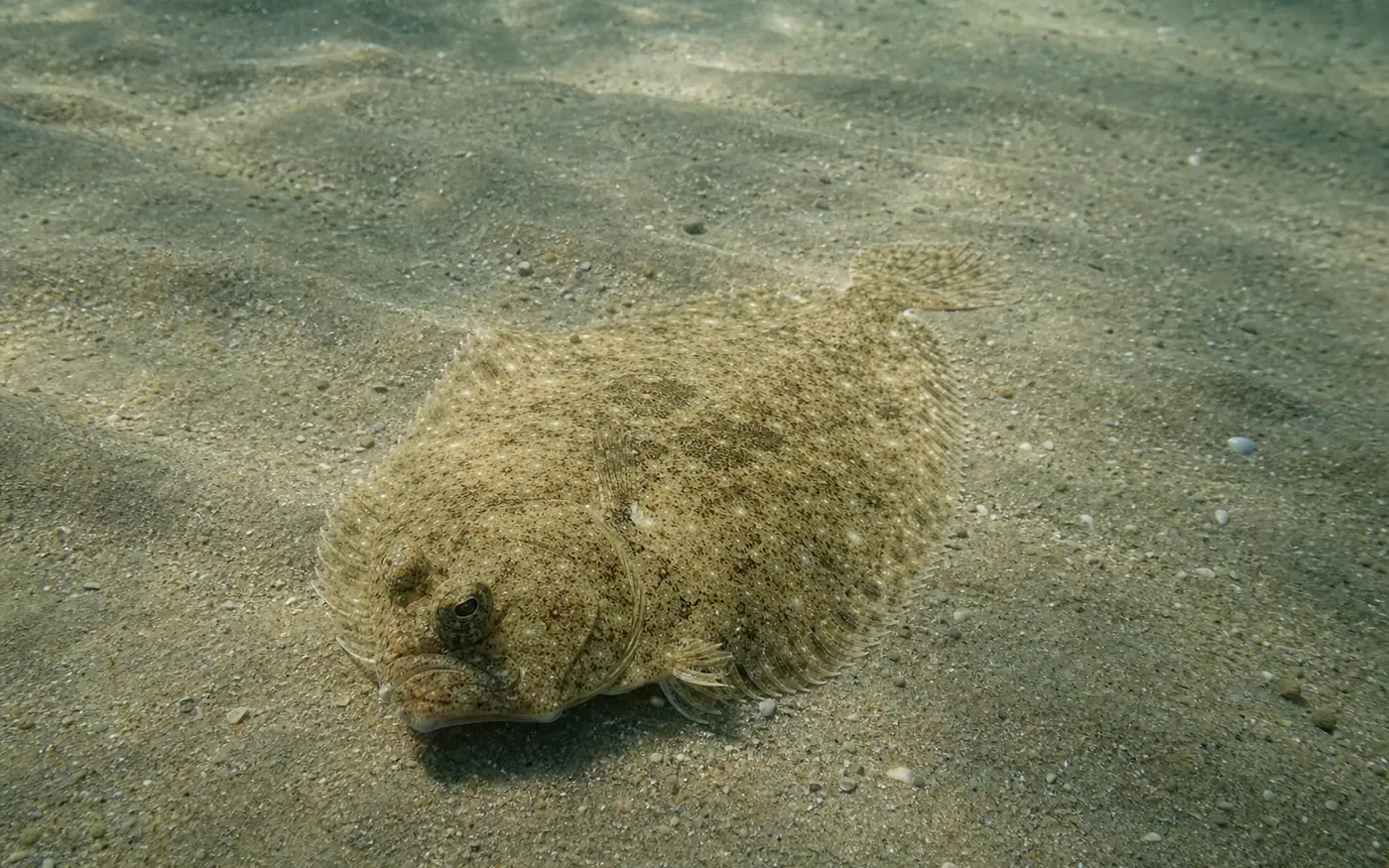
Flounder sit on the bottom and wait. Slow your bait down to their pace and you will catch them.
Pulling the buoy call for flounder…
Live data unavailable
Live buoy data is not answering, so read the table above. A live mud minnow on a Carolina rig, drifted along a channel edge, is the answer.
See the buoy feed →Flounder move into the sounds in May and stay through October, best in late summer.
4 bait-to-rig lines for flounder, led by live mud minnow. These do not change with the weather, so print them and keep them in the truck.
| Bait | Rig | Sinker weight | Rod and line |
|---|---|---|---|
| Live mud minnow | Carolina rig or fish finder, 2/0-3/0 Kahle hook1-2 oz egg sinker6.5-7.5 ft medium spinning rod, 10-15 lb braid, 20-30 lb leaderThe number one flounder bait. Hook it through the lips. | 1-2 oz egg sinker | 6.5-7.5 ft medium spinning rod, 10-15 lb braid, 20-30 lb leader |
| Live spot or croaker (2-4 in) | Fish finder, 3/0 circle hook1-3 oz egg sinker7 ft medium rod, 15 lb braid, 20-30 lb leaderFor the bigger flounder on the channel edges. | 1-3 oz egg sinker | 7 ft medium rod, 15 lb braid, 20-30 lb leader |
| Gulp swimming mullet on a jig head | 1/4-3/8 oz jig headNo sinker, slow bounce on the bottom6.5-7.5 ft medium spinning rod, 10-15 lb braid, 20 lb leaderWork it along pilings and drop-offs. | No sinker, slow bounce on the bottom | 6.5-7.5 ft medium spinning rod, 10-15 lb braid, 20 lb leader |
| Bucktail jig with a squid strip | 1/4-3/8 oz bucktailNo sinker, drift and bounce7 ft medium rod, 15 lb braid, 30 lb leaderAdds bulk and scent for larger fish. | No sinker, drift and bounce | 7 ft medium rod, 15 lb braid, 30 lb leader |
Flounder lie flat and ambush, so the whole game is keeping a bait on the bottom and moving it slowly enough to pass a fish that will not chase. They stack around inlets, channel edges and any piece of hard structure where the current sweeps food past. A jig dragged with short hops, or a live bait drifted tight to the bottom on a fish-finder rig, is the reliable pair. The take can feel like nothing more than weight, so a beat of patience before lifting the rod sets the hook. Big flatfish, the doormats, sit on the deeper edges and reward the angler who works the last few yards of a drift. Drift the channel edges on a moving tide and tap the bottom as you go; the flatties sit just off the drop and take the bait as it swings over them. A flounder barely moves the rod until it decides to swim, so lift gently and keep the line tight to feel the weight. They will not swim far for a bait, so covering bottom with short drifts beats sitting on one spot.
Wait before you set the hook. A flounder pins the bait first and swallows second, so give it five to ten seconds.
Fish the down-tide side of the pier pilings. Flounder face into the current and let the bait come to them.
Drift the channel edges. A moving boat covers ten times the water a stationary one does.
Where flounder turn up on this stretch of coast, and what the water is doing there today.
2 boxes carried straight from the state rule page. Measure before it goes on ice.
| Rule | Limit |
|---|---|
| Size | 15 in minimum (total length) |
| Bag limit | 4 per person per day |
| The season can be adjusted by proclamation, so check before you go. | |
Updated Oct 30, 2026